

Answering the Call to Belonging: Baylor Initiative Helps Churches Reimagine Ministry
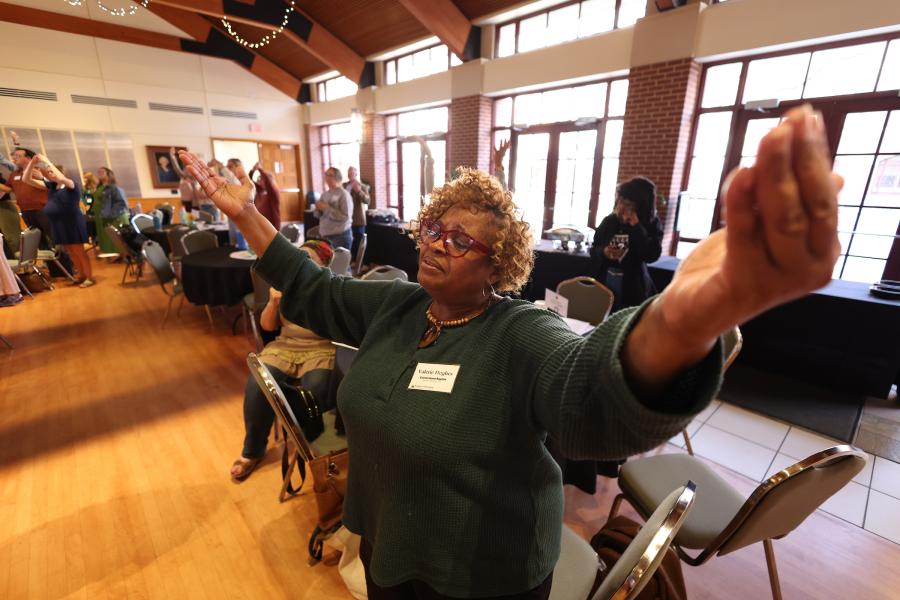
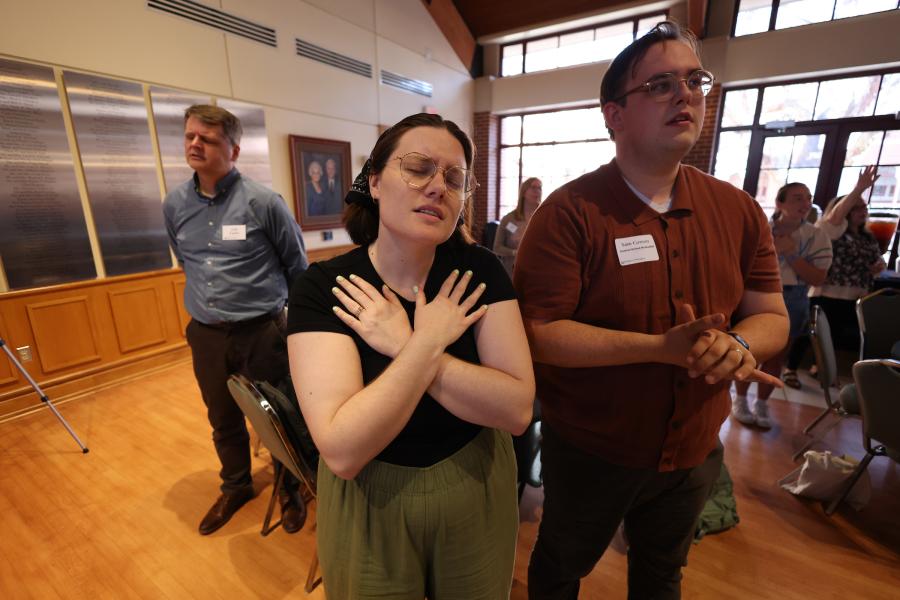
In the Great Hall of Baylor University’s George W. Truett Theological Seminary, hands were raised and voices harmonized in worship with newfound hope and intention at the Bridges to Belonging gathering on February 19 and 20, concluding the project’s inaugural congregational cohort.
Funded by Lilly Endowment Inc. through the Thriving Congregations Initiative, Bridges to Belonging equips churches to reimagine accessible youth and young adult ministry through theological reflection, research-informed practices, training, and shared discernment.
The project is a collaboration between George W. Truett Theological Seminary, the Baylor Center for Disability and Flourishing in the Moody School of Education, and the Center for Church and Community Impact (C3I) in the Diana R. Garland School of Social Work.
What began in October 2024 as a bold, interdisciplinary initiative has now culminated into perceptible transformation across Central Texas congregations, marking a significant milestone in Baylor University’s effort to help churches more fully embrace young people with disabilities, mental health conditions, and chronic illnesses.
A Vision Rooted in Belonging
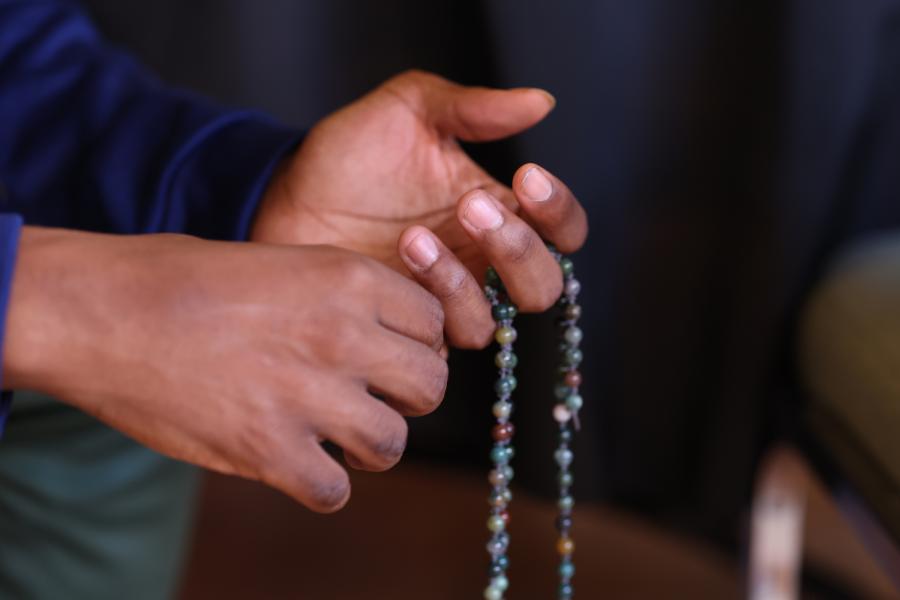
The inaugural cohort included 16 churches representing 10 denominations from across Texas, engaging approximately 80 church leaders over the course of the two-year learning community.
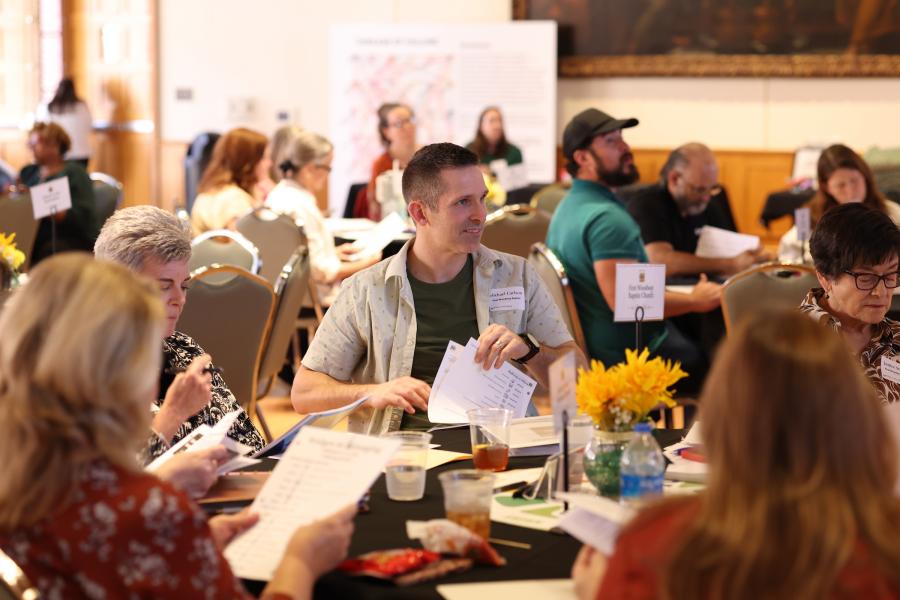
During this time span, churches gathered monthly for worship, training, reflection, and collaborative problem-solving. They assessed their current ministry practices, piloted new approaches, and committed to taking steps that increase participation and belonging.
Interdisciplinary Collaboration in Action
From its inception, Bridges to Belonging has embodied Baylor’s distinctive integration of Christian commitment and research excellence.
The project is led by principal investigator Angela Reed, Ph.D., associate dean for academic affairs at Truett Seminary, alongside co-investigators Erik Carter, Ph.D., executive director of the Baylor Center for Disability and Flourishing, and Gaynor Yancey, DSW, director of C3I and Lake Family Endowed Chair in Congregational and Community Health.
“We have been touched by the passion and care for young people shown by these leaders and their congregations. Throughout this project, we journeyed together to listen to stories of disability, to explore what it means to be made in God’s image and participate in true ‘one anothering,’ and to discover pathways of hospitality and accessibility for all. As a result, more persons with disabilities and their families are seen, supported, and actively participating in the life of the Church,” reflected Reed.
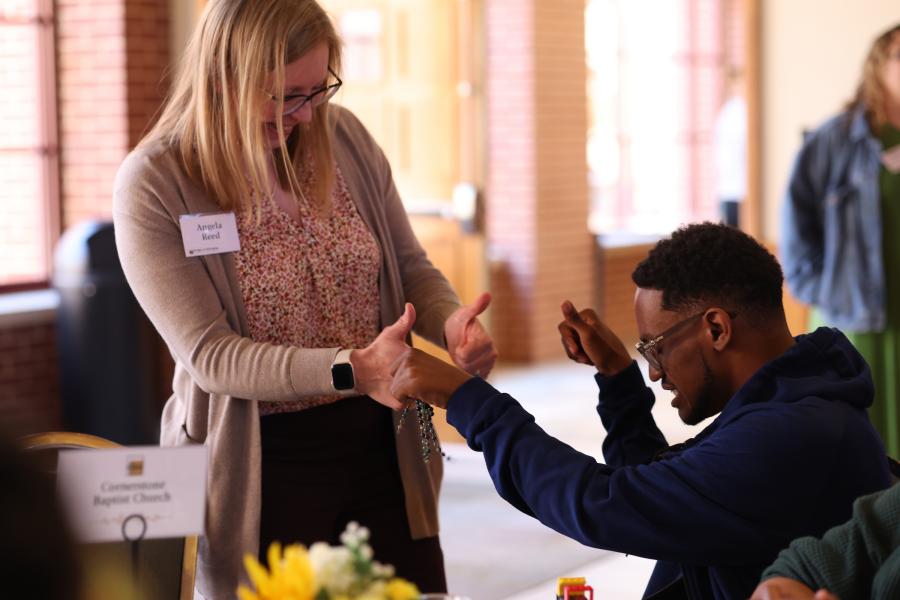
Carter emphasized the significance of partnering directly with churches. “We have felt especially honored to walk alongside these churches and learn from their journeys. Each congregation has given us new insights into how change really happens and why belonging deeply matters."
Throughout the time shared together, churches engaged with disability ministry and mental health experts to apply theological scholarship and research emerging directly from the project’s ongoing studies involving youth, families, ministry leaders, and disability service providers.
This integration of scholarship and practice has ensured that the work remains both theologically grounded and empirically informed.
Shifts in Attitude, Awareness, and Practice
For Elyse McMullen, who serves as the program manager for Bridges to Belonging, the final gathering was both celebratory and deeply personal.
“It has been an absolute joy to steward this project and to see this work come to fruition,” McMullen shared following the conclusion of the cohort. “We have heard stories of incredible shifts in attitude, awareness, and practices in our partner churches. They are truly building bridges to belonging for young people with disabilities, mental health conditions, and chronic illnesses.”
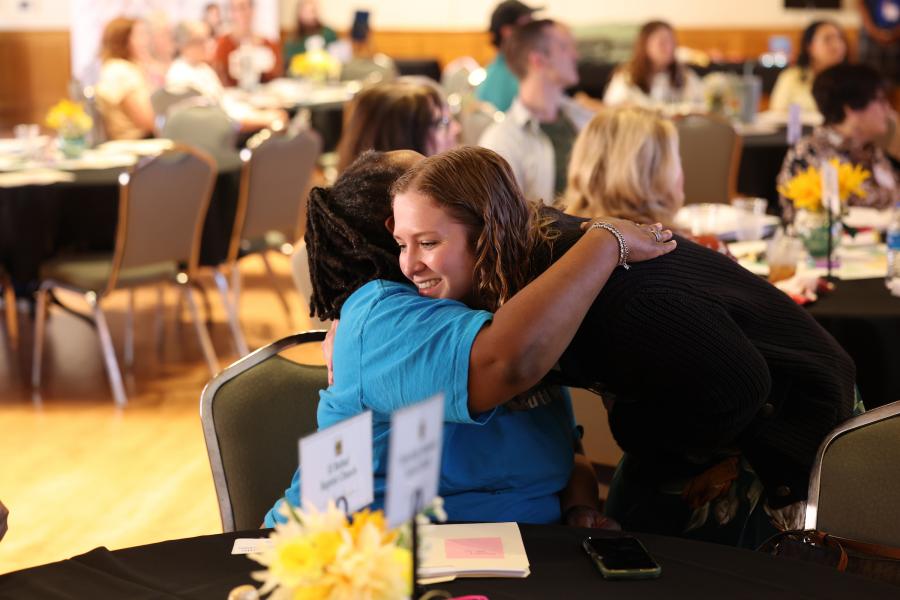
Those shifts took many forms. Participating churches reported meaningful impact within their congregations, including:
Incorporation of sensory resources and sensory spaces
Positive shifts in awareness and attitude
Families reporting experiences of belonging
Stigma reduction around mental health and disability
Adaptations to teaching practices and curriculum
Intentional architectural changes for accessibility
Leadership opportunities for young people with disabilities
New caregiver and parent support groups
New respite care options for parents and caregivers
An Emotional Journey
Aptly named, the final February gathering carried the theme “Bridges to Belonging.” Churches presented snapshots of their journeys—stories of challenge, creativity, redemption, growth, and hope.
One cohort member remarked, “It has been deeply comforting to know that there are other churches and church leaders thinking about this, and it has also provided us with a roadmap to think about that congregational change.”
Teams worshiped together, reflected on lessons learned, and discerned next steps. Each congregation departed with a gift and tangible reminder that the work of belonging does not end with a cohort but continues in local sanctuaries, youth rooms, and fellowship halls.
Gaynor Yancey noted the deeply human and relational journey experienced by congregations. “God’s love in action and deeds has been at the heart of what we have learned from this first cohort of churches. Their respective commitments to learning additional ways of showing their deep care for youth who experience disability in some way, their families, and their caregivers has touched our hearts,” said Yancey. “Along the way, we have learned not only about belonging but also about resilience and joy. These churches have provided a firm foundation upon which we will build the work of the next cohort of churches.”
What began as an open invitation for congregations to listen deeply grew into a community of shared purpose, and in congregations across Central Texas, bridges are still being built.
Looking Ahead: A New Cohort on the Horizon
Even as the inaugural cohort concludes, the faithful vision continues to expand. Applications for the next Bridges to Belonging Congregational Learning Community open March 2, 2026. This new cohort will launch in August 2026, inviting additional churches to step into this transformative work. Churches interested in participating in the next cohort can learn more and apply here.