

Center Celebrates Hispanic Heritage Month Through Research and Community Engagement
Culturally Responsive Programming and Partnerships Strengthen Connections with Latino Communities
In recognition of Hispanic Heritage Month, the Baylor Center for Disability and Flourishing is highlighting its growing efforts to develop culturally and linguistically responsive research, resources and programming alongside Latino and Spanish-speaking communities impacted by disability.
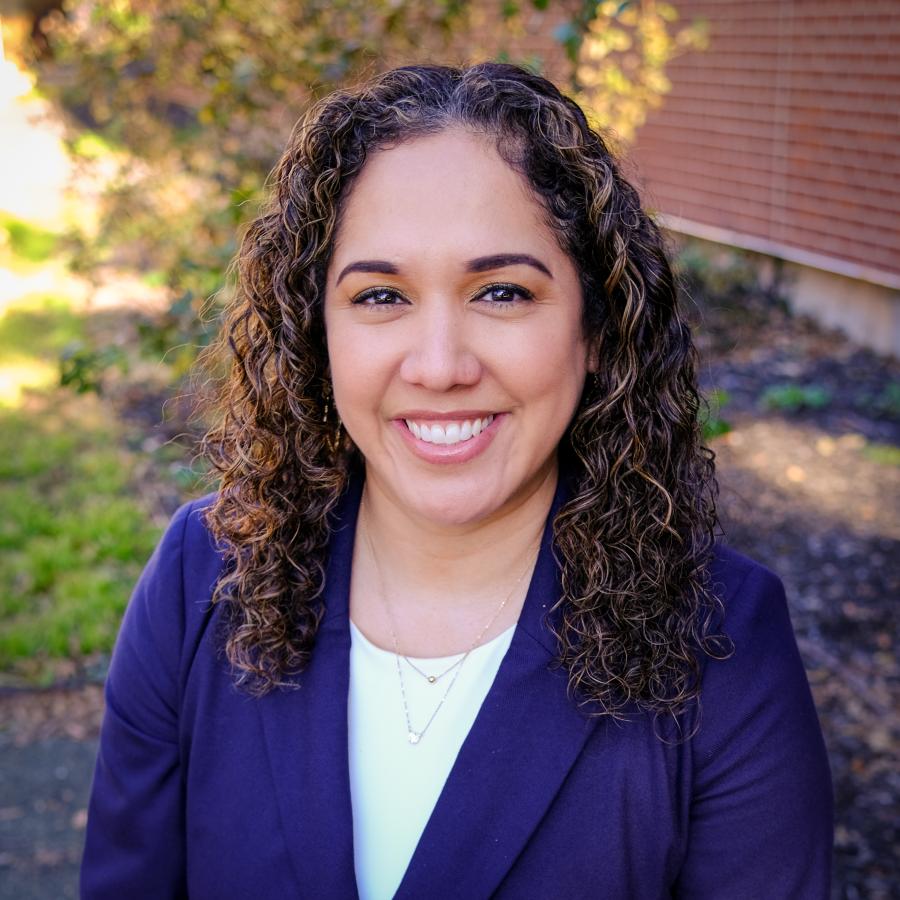
That commitment is reflected across the collective work of Center, including Kristen Padilla, Ph.D., NCSP, LSSP, BCBA, LBA, who recently stepped into a new role as the Center’s inaugural Director of Strategic Partnerships and Community Engagement. The position builds on her longstanding commitment to forging relationships with families and organizations across Texas and beyond, while expanding opportunities to connect the Center’s research and resources with the communities who need it most.
Padilla was recently invited to speak at Waco’s Hispanic Leaders' Network (HLN), where she shared examples of the Center’s collective work and discussed how listening to families and building strong community partnerships inform more responsive research, services and systems.
“We must allow what we hear to shape what we do next,” Padilla said during her presentation. “For me, that is where research, partnership, and community truly come together. We aren’t just trying to bring more Latino families into existing systems; we’re working alongside families to help build research, services and systems that are more responsive to the communities we intend to serve.”
Listening to communities
Across the Center, faculty, staff and students are working alongside Latino and Spanish-speaking families to strengthen culturally and linguistically responsive approaches to disability research, services and family engagement. Padilla’s own research has contributed to these efforts, with a particular emphasis on autism assessment, intervention and family engagement.
The work extends across a growing portfolio of collaborative research and initiatives, including a monthly Spanish support group, Raising Texas Voices, among other Spanish-language resources and programming.
While these efforts differ in scope, they share an emphasis on working alongside families and communities and allowing what is learned to inform research, resources and supports.
Relationships that shape the work
For Padilla, her recent HLN presentation also brought that emphasis on relationships full circle. Introducing her was Dr. Elizabeth Palacios, a retired Baylor faculty member who was once Padilla’s professor and later became her colleague.
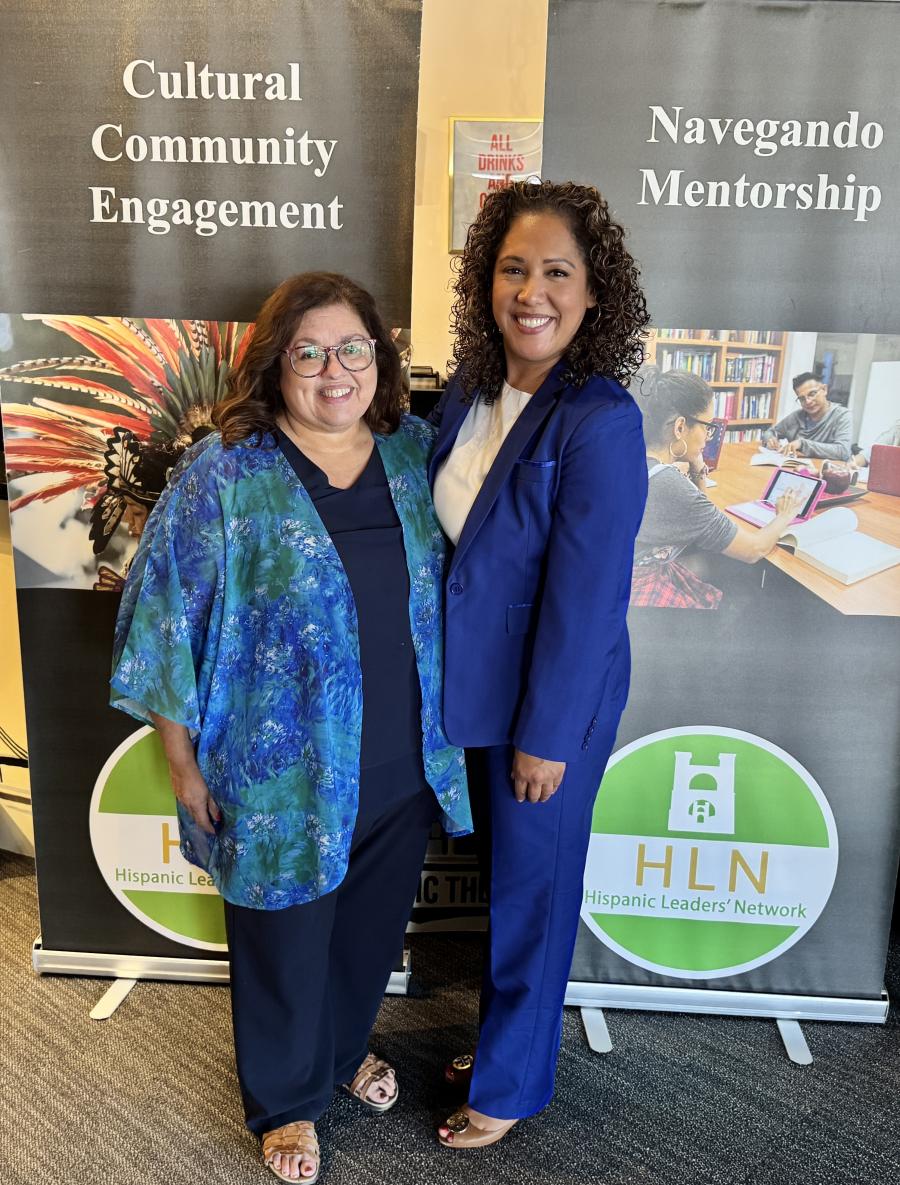
“Dr. Elizabeth Palacios was my professor and an inspiration for me to pursue my doctorate,” Padilla said. Palacios has witnessed Padilla’s commitment to serving Latino communities develop throughout her career.
“Kristen has always had a passion for the underserved and for fair access in our community,” Palacios said. “As a former student, colleague, and now, long-time friend, I have seen her transform her passion into culturally responsive research, grants, programs, and most importantly, she has forever changed the lives in our Latino community.”
Palacios also pointed to the collective nature of the work and its potential to influence the broader disability field.
“Not only has she been a conduit for academic excellence, but has also provided crucial awareness, services, training, and evidenced-based practice in serving Latino families,” Palacios said. “My hope is that her work and that of her colleagues continue to influence our academic and professional arenas.”
Deepening community partnerships
Padilla’s transition to Director of Strategic Partnerships and Community Engagement comes during a period of continued growth for the Center, including an expanding team, research portfolio and network of partners.
Her new role formalizes an area that has long been central to her work: forging and cultivating relationships with families, organizations, and communities and creating opportunities for those relationships to strengthen the Center’s initiatives.
During Hispanic Heritage Month and throughout the year, the Center remains committed to deepening its relationships with Latino and Spanish-speaking communities and ensuring their perspectives help inform research, resources and programming that impact their lives.
ABOUT THE BAYLOR CENTER FOR DISABILITY AND FLOURISHING
The Baylor Center for Disability and Flourishing is a nationally recognized leader in disability research. Housed within Baylor University’s Moody School of Education, the Center connects rigorous research with real-world impact to promote the flourishing of people with disabilities, their families and communities. Through interdisciplinary scholarship, clinical services, and community outreach, the Center equips schools, congregations, workplaces, and organizations with tools and resources to foster accessibility, inclusion and mutual flourishing.