

Oso Able Conference Expands Opportunities for Youth With Disabilities
Fourth Annual Transition-to-Adulthood Conference Focuses on Employment, Bringing Together Students, Educators and Employers
The Baylor Center for Disability and Flourishing brought together nearly 200 students with intellectual and developmental disabilities (IDD) across six area school districts, along with various local employers, at the fourth annual Oso Able Conference on Friday, Oct. 2, at Baylor University's Foster Campus for Business and Innovation.
The annual conference helps youth and young adults with disabilities and their families navigate the transition to adulthood by connecting them with resources, practical strategies and community connections. This year's event focused specifically on employment, featuring educational sessions and a job and career expo designed to help participants explore meaningful career pathways.
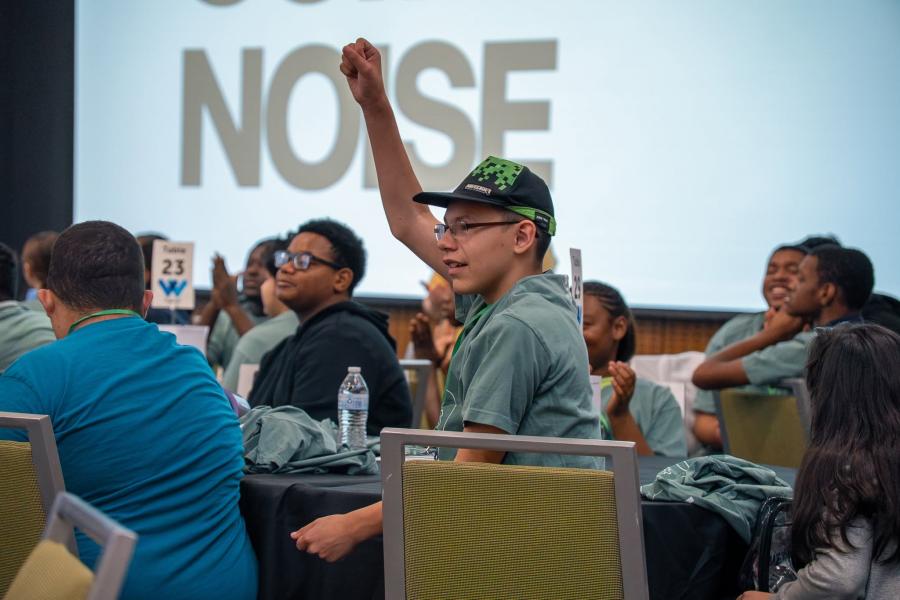
The conference marked its largest gathering to date, reflecting increasing interest in resources and opportunities that help young people with disabilities prepare for adulthood.
“Welcoming nearly 200 students with disabilities from area school districts to Baylor’s campus was an extraordinary demonstration of what sustained partnerships can make possible, said Deidre Gilley, assistant professor of special education in Baylor’s Department of Educational Psychology and a faculty affiliate of the Baylor Center for Disability and Flourishing.
“Through work with local schools, we are bringing students into spaces where they can explore their futures. We want every student to know that they belong on a university campus and that their aspirations deserve opportunities and support.”
Building Skills and Exploring Career Pathways
Through educational sessions, hands-on learning and opportunities to connect with employers, students explored topics such as workplace expectations, self-advocacy, communication, organization and emotional regulation.
For many participants, the experience offered practical lessons they could apply as they prepare for adulthood.
“I learned how to be a professional,” one student shared. Other students identified strategies for managing their emotions, staying organized and navigating workplace expectations.
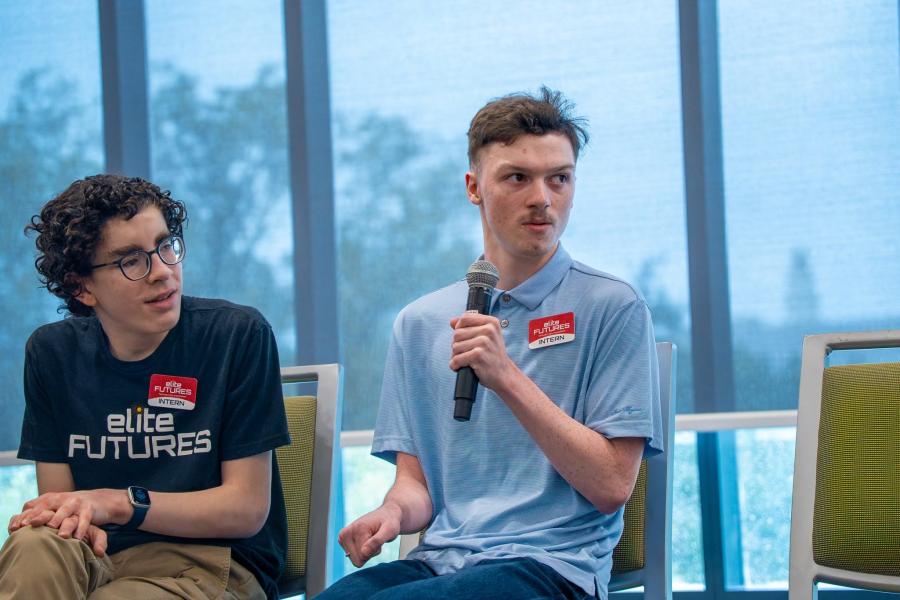
The reflections underscore the importance of equipping young people with disabilities not only with information about employment opportunities but also with practical tools that support independence, build confidence and successful outcomes.
“Meaningful employment gives young adults opportunities to use their strengths, build independence and experience belonging,” said Kristen Padilla, director of strategic partnerships and community engagement. “When schools, employers and community partners work together, we can help turn those possibilities into sustainable pathways.”
Supporting Flourishing Beyond High School
The Oso Able Conference is part of the Center's Flourishing Futures initiative, which equips youth with disabilities, families, educators and service providers with resources and strategies that support a successful transition to adulthood.
“Communities have a responsibility to ensure that people of all abilities have equal access to employment, higher education and meaningful relationships,” said Katie Laubender, program manager for Flourishing Futures.
Flourishing Futures is supported through funding from the Texas Department of State Health Services (DSHS) and the Texas Health and Human Services Commission (HHSC) as part of the Title V Maternal and Child Health Services Block Grant for children and youth with special health care needs. The grant supports community-based organizations in connecting families with local resources, education and services that address unmet needs.
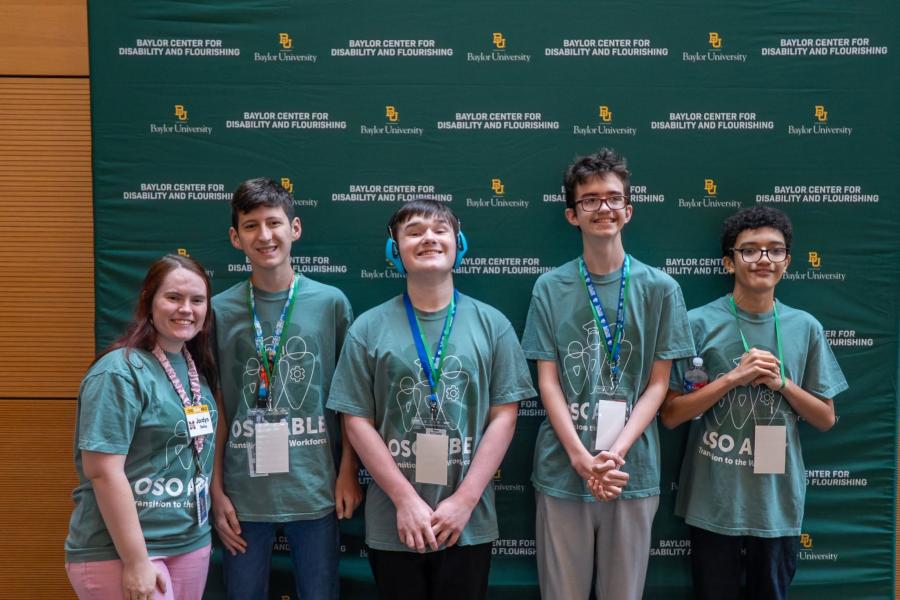
“Oso Able equips not only youth with intellectual and developmental disabilities, but also the employers, educators, practitioners and community members who help shape those opportunities,” Laubender said. “Preparing for adulthood is a shared responsibility, and everyone has a role in creating spaces where people with disabilities can participate, contribute and belong.”
For the Baylor Center for Disability and Flourishing, this work reflects a broader commitment to identifying practices and partnerships that prepare young people with disabilities for flourishing adult lives marked by opportunities for college, career, and meaningful contributions to their communities.